IT Security Audit
Security gaps made visible, measured, and prioritized.

Unclear risk becomes a prioritized roadmap backed by vulnerability scanning and plain English findings.

Assumed security gets verified through tested controls, monitored systems, and dashboard visibility.

Compliance uncertainty is reduced with audit-ready documentation aligned to HIPAA, NIST, and CMMC needs.

Hidden access risks are uncovered with identity review, MFA checks, and role-based access validation.

Confusing reports are replaced by clear priorities from a 12-person team with defined security roles.
Request a Quote for our IT Security Audit
TRUSTED BY:








Clients Trust Clear Security Guidance
Real people, plain English, and visible progress from assessment to remediation.

What Your IT Security Audit Reviews and Verifies
Security findings you can verify
Security that is assumed but never verified creates hidden risk. A vulnerability assessment identifies exposed systems, missing patches, configuration issues, weak services, and network gaps that could affect uptime, data protection, or compliance readiness.
Tech Eagles documents findings in plain English and connects each issue to business impact. You receive prioritized remediation steps, not a confusing list of technical alerts. The result is a clear path from discovery to measurable risk reduction.
Access control is one of the most common places risk hides. The audit reviews who has access, whether permissions match job roles, where MFA is in place, and whether risky sign-in behavior is being monitored.
This includes a practical look at privileged accounts, password management, role-based access, geo-restricted access, and user lifecycle practices. You can see where access is too broad, where controls are missing, and what changes should happen first.
Compliance should be visible before an auditor asks for proof. This part of the audit compares your current systems, policies, security controls, and documentation against relevant requirements such as HIPAA, NIST 800-171, CMMC, FTC Safeguards, GLBA, or SEC cybersecurity expectations.
The outcome is not a vague compliance discussion. You receive documented gaps, evidence needs, and a prioritized plan that helps leadership understand what is ready, what is missing, and what should be fixed next.
Security tools only matter when they are configured, monitored, and verified. The audit reviews endpoint protection, email security, firewall rules, malicious IP blocking, logging, application control, encryption, and related safeguards to determine whether controls are actually working as intended.
Findings are tied to practical risk. If a tool is installed but not producing useful visibility, that gets documented. You can see where protection is functioning, where assumptions exist, and where testing or configuration changes are needed.
Backups are often present but rarely tested. The audit reviews backup coverage across files, full systems, and cloud assets, then evaluates whether failures are monitored and recovery expectations are realistic for the business.
Quarterly test restorations are part of Tech Eagles’ normal standard because recoverability must be proven. This review helps identify missing assets, weak retention settings, failed jobs, unclear recovery responsibilities, and continuity gaps that could slow operations after an incident.
An audit is only valuable if the next steps are clear. Tech Eagles organizes findings by severity, business impact, compliance relevance, and practical order of work. Immediate risks are separated from phased improvements so decisions can be made without guesswork.
You receive plain English recommendations that account for budget, legacy systems, operational needs, and security requirements. The plan can be tracked through live dashboards and regular reporting, giving you visibility into progress instead of a static report that gets forgotten.




Security Audit Results You Can Measure and Act On
IT Service Experience
Businesses Trusting IT Services
Computers Monitored And Protected

Know What Is Secure, Exposed, or Unverified
An IT security audit should do more than point out problems. It should show you what is exposed, why it matters to the business, and what should happen next.
Tech Eagles reviews your systems, users, network, backups, security tools, and compliance posture with a practical lens. Findings are explained in plain English, not buried in technical language. You get a clear view of risk, priority, business impact, and remediation options.
The goal is control. Your leadership team should be able to see what is happening, verify what has been checked, and make informed decisions without depending on guesswork.

Security Findings Organized by Real Business Risk
Security risk usually builds quietly. An audit brings those issues into view before they become expensive, disruptive, or difficult to explain during a compliance review.
- Vulnerability scanning across systems and network assets
- User access and MFA review
- Firewall, endpoint, and email security checks
- Backup monitoring and recovery verification review
- Compliance gap identification for regulated environments
- Clear remediation plan with priorities and business context
You can see which risks need immediate attention, which can be phased, and where spend should be aligned to actual exposure.
See Your Security Gaps Clearly
Find the gaps, understand the risk, and leave with clear next steps.

Clear Priorities Without Technical Confusion
A useful audit should leave your team more informed, not more confused. Tech Eagles translates technical findings into practical next steps your leadership team can act on.
Recommendations account for budget, legacy systems, operational dependencies, and compliance requirements. If everything cannot be fixed at once, you get a phased path that reduces risk while keeping the business working.
For organizations working toward higher security or CMMC-level expectations, the audit also helps create verifiable evidence. If a control cannot be proven, it should not be assumed.
Related Security and Compliance Services
How Security Gaps Became a Clear Action Plan
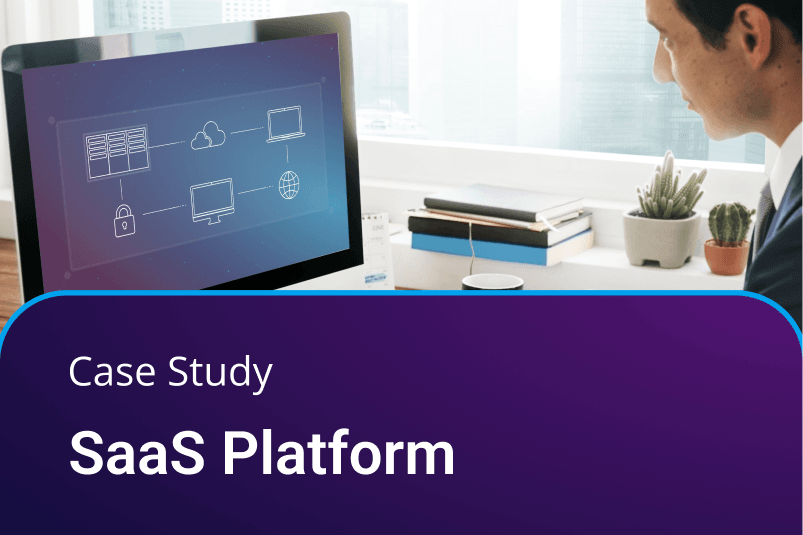
SaaS Platform | Cloud Infrastructure Optimization & Proactive IT for Scalable Growth

E-Commerce Brand | High-Performance Infrastructure & Secure Transactions for Revenue Growth

FinTech Startup | Secure, Scalable IT Foundation for Compliance & Growth

Engineering Firm | High-Speed Infrastructure for Data-Intensive Workflows
Digital Agency | Cloud Collaboration & Remote Workforce Enablement
Frequently Asked Questions
An IT security audit reviews your systems, networks, user access, backups, security tools, and compliance posture. You receive a practical assessment of where your data is exposed, which controls are verified, and what needs attention. The process includes vulnerability scanning, firewall and email security checks, user access and MFA validation, and compliance gap identification for standards like CMMC, HIPAA, and NIST. All findings are explained in plain English so you understand what is at risk and why it matters for your business.
An IT security audit helps you see and prioritize your real security gaps before they can be exploited or become costly compliance issues. You gain a clear, actionable roadmap showing what risks need immediate action, what can be phased, and which areas are already secure. With live dashboard access and ongoing reporting, you can track improvements and verify remediation steps, putting you in control of your risk and compliance posture.
The audit process begins with a discovery session to understand your business and regulatory environment. Next, vulnerability scans and manual reviews target key systems, user roles, network devices, and backup processes. Findings are documented, prioritized, and explained in plain language with business impact in mind. You receive a remediation plan that aligns with your budget and operational needs, plus access to a dashboard for ongoing visibility into progress.
Most audits are completed within two weeks from the initial assessment, with urgent requests handled in as little as seven days. For HIPAA-covered and non-HIPAA organizations, a free initial risk assessment is available, which includes vulnerability scanning and compliance review. Full audit pricing varies based on environment size and complexity, but all costs are clearly outlined upfront with no hidden fees or long-term commitment required.
You get direct visibility into your security status through a central dashboard, with findings explained in plain English by a local, 12-person team. All recommendations are risk-driven and aligned with your business realities, not just technical checklists. Unlike most providers, you can verify what has been checked and hold your service partner accountable, ensuring you are never in the dark about your own security or compliance posture.
