Hardware Asset Management
Hardware tracked, visible, and planned before failure.

Tracked inventory visible through a central dashboard stops you from guessing what you own.

Structured 5-year hardware refresh model helps you avoid surprise replacements.

Standardized equipment planning and no hidden fees reduce wasted spend.

Devices supported under warranty make repairs and replacements easier to plan.

Audit-ready hardware records support security and compliance visibility.
Request a Quote for Hardware Asset Management
TRUSTED BY:






Clients Value Clear Planning and Fewer Surprises
Hardware decisions become easier when assets, costs, and timelines are visible.

Hardware Managed With Visibility, Ownership, and Control
Tracked assets, planned refreshes
You get a current inventory of the hardware your business relies on, including workstations, servers, network equipment, and other supported devices. Each asset is documented with key details such as user, location, warranty status, age, and support condition.
This gives you a reliable source of truth instead of scattered notes or outdated spreadsheets. When something fails, needs a security review, or comes up during planning, the information is already available.
Hardware should not be replaced only after it causes a disruption. Tech Eagles uses a structured 5-year replacement model so aging systems are identified early and planned into the budget before they become urgent.
You can see which devices are nearing the end of useful life, which systems can safely remain in service, and which replacements should be prioritized based on risk, performance, warranty coverage, and business impact.
Expired warranties and unsupported hardware make repairs slower, more expensive, and harder to predict. Warranty tracking keeps those dates visible so you are not surprised when a device needs service.
When equipment is still covered, repairs and replacements can be handled with clearer expectations. When coverage is ending, you get time to decide whether to renew, replace, or phase the asset out based on practical risk and budget considerations.
Inconsistent hardware makes support harder and creates avoidable downtime. Standardization helps keep your environment predictable by aligning devices, configurations, and replacement choices around what your team actually needs.
This does not mean forcing every business into the same setup. It means reducing unnecessary variation, documenting exceptions, and making sure each device can be supported, secured, monitored, and replaced without confusion.
Hardware costs are easier to manage when they are planned over time. Budget forecasting shows what equipment will likely need attention in the coming months and years, so replacements are not treated as emergencies.
You get guidance that balances risk and budget, with phased recommendations when immediate replacement is not practical. The result is clearer spending, fewer surprises, and better alignment between technology decisions and business priorities.
Hardware data should be available when you need it, not only after sending a request. Dashboard visibility gives you a clearer view of asset status, support needs, tickets, and related risk information.
This matters for daily operations and compliance-minded environments. If hardware cannot be identified, tracked, or verified, it becomes harder to control. Visibility helps you make decisions with facts instead of assumptions.



Measurable Support Behind Better Hardware Decisions
IT Service Experience
Businesses Served
Businesses Managed

Turn Hardware From Guesswork Into a Managed Plan
Hardware problems usually start long before a device stops working. Aging computers, expired warranties, inconsistent models, and undocumented equipment create delays, security gaps, and surprise spending.
Hardware Asset Management gives you a clear, current view of the equipment your business depends on. Devices are documented, standardized where possible, tracked for warranty status, and forecasted for replacement using a structured 5-year model.
You own your equipment. There are no leases or lock-in arrangements that make it harder to leave or make decisions. The goal is simple: predictable systems, planned investment, and hardware data you can see without having to ask for it.

Know What You Own, What Is Aging, and What Comes Next
Hardware management is not just a spreadsheet. It affects uptime, cybersecurity, budgeting, and compliance readiness. Each device should have a known status, purpose, owner, and replacement timeline.
- Accurate inventory for computers, servers, networking gear, and related equipment
- Warranty and support status tracked before repairs become urgent
- Standardized equipment recommendations based on how your business operates
- Replacement forecasting tied to a practical 5-year lifecycle model
- Clear visibility into hardware risk through reporting and dashboard access
- Phased recommendations when budget or legacy software limits immediate change
Plan Your Hardware Before It Fails
Get a clear view of every device, warranty, and replacement timeline.

Plan Replacements Without Disrupting the Business
Unplanned hardware spending creates pressure. A failed workstation, unsupported server, or aging firewall can interrupt work and force rushed decisions. With lifecycle planning, those decisions become visible earlier.
Tech Eagles aligns hardware planning with risk, budget, and operational needs. If a full refresh is not realistic today, you get a phased path that reduces exposure while keeping the business moving.
This approach is especially important for businesses with compliance requirements. Hardware records, support status, and replacement plans help prove that systems are being managed intentionally, not assumed to be safe because they are still running.
Related Services That Support Hardware Planning
Replacing Reactive Hardware Spend With Planned Refreshes
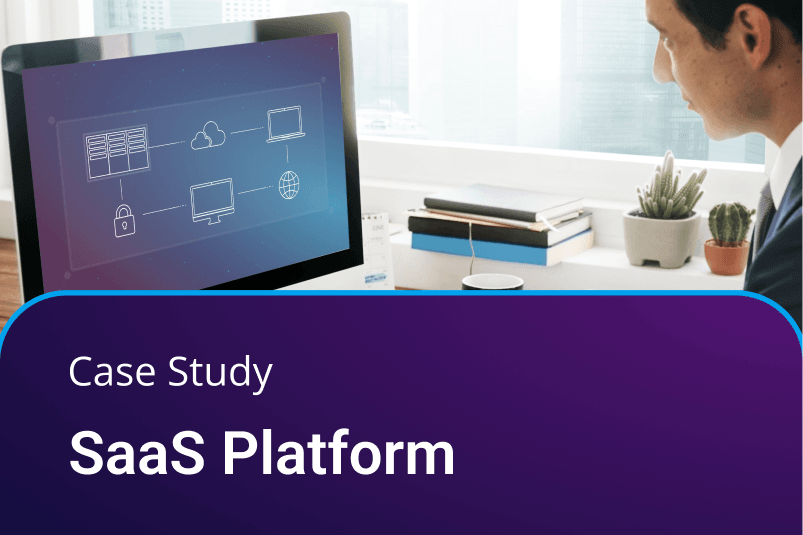
SaaS Platform | Cloud Infrastructure Optimization & Proactive IT for Scalable Growth

E-Commerce Brand | High-Performance Infrastructure & Secure Transactions for Revenue Growth

FinTech Startup | Secure, Scalable IT Foundation for Compliance & Growth
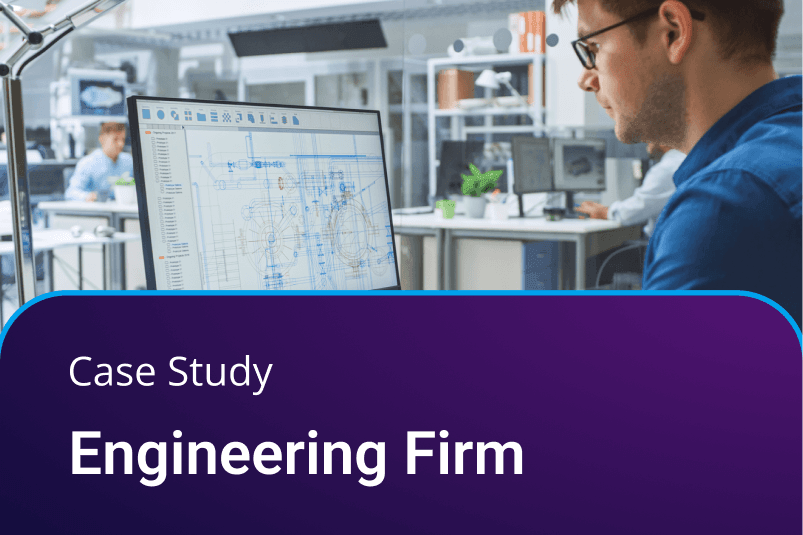
Engineering Firm | High-Speed Infrastructure for Data-Intensive Workflows
Digital Agency | Cloud Collaboration & Remote Workforce Enablement
Frequently Asked Questions
Hardware asset management gives you a live, accurate inventory of every device your business owns, including computers, servers, networking equipment, and related hardware. Each item is tracked for warranty status, age, support coverage, and replacement schedule. You gain access to this data through a central dashboard, so you always know what equipment you have and its current condition. This helps you plan ahead and eliminates guesswork about your technology assets.
By providing a clear replacement timeline and warranty tracking, hardware asset management helps you avoid last-minute, emergency purchases. You see which devices are aging or unsupported, so you can budget for replacements before failures occur. This reduces downtime and prevents surprise expenses. Standardizing equipment also means fewer unique repairs and more predictable spending over time.
The process starts with a complete audit of your current hardware, documenting each device’s details and warranty status. All information is entered into a live dashboard, giving you immediate visibility. Recommendations are provided for standardization and a 5-year replacement schedule tailored to your business needs. Ongoing updates ensure your inventory stays accurate as devices are added or replaced, so you are always working with current data.
Onboarding typically takes about 2 weeks from signing, but can be completed in 7 days if urgent. Pricing starts at $85 per month, with no hidden fees and no leases, you own your equipment. All costs are clearly explained in advance, and ongoing management includes regular updates and dashboard access. This approach keeps your hardware planning transparent and predictable.
You get direct visibility into every device, warranty, and replacement plan without having to ask or wait for reports. Support is handled by a local team with 18 years of experience, and you have access to real people for fast, plain-English answers. There are no phone trees, no lock-in contracts, and you can verify your hardware and compliance status at any time. The focus is on making your technology reliable, predictable, and easy to manage.
